

A terrarium can look complete from across the room and still feel exposed from inside it.
The substrate is fresh. The plants are placed. The water dish and heat source are where they belong. Yet the space between those features may be wide and open, with only one obvious place to retreat.
Before adding more décor, lower your eye to enclosure level. Look across the habitat as its resident encounters it: Where can it move without crossing a completely open zone? Where can it pause in shade? Where does a structure create a route instead of a dead end?

Map cover before placing objects
Sketch the warm side, cool side, water, feeding area, climbing zone, and service access. Then mark exposed crossings. The goal is not to fill every empty inch. It is to create choices without blocking ventilation, heat gradients, cleaning access, or safe movement.
Species, age, size, behavior, humidity, temperature, and enclosure type all matter. Follow current species-specific husbandry guidance and consult a qualified exotic-animal veterinarian or experienced professional when the animal’s needs are uncertain.
Use shape to solve a habitat problem
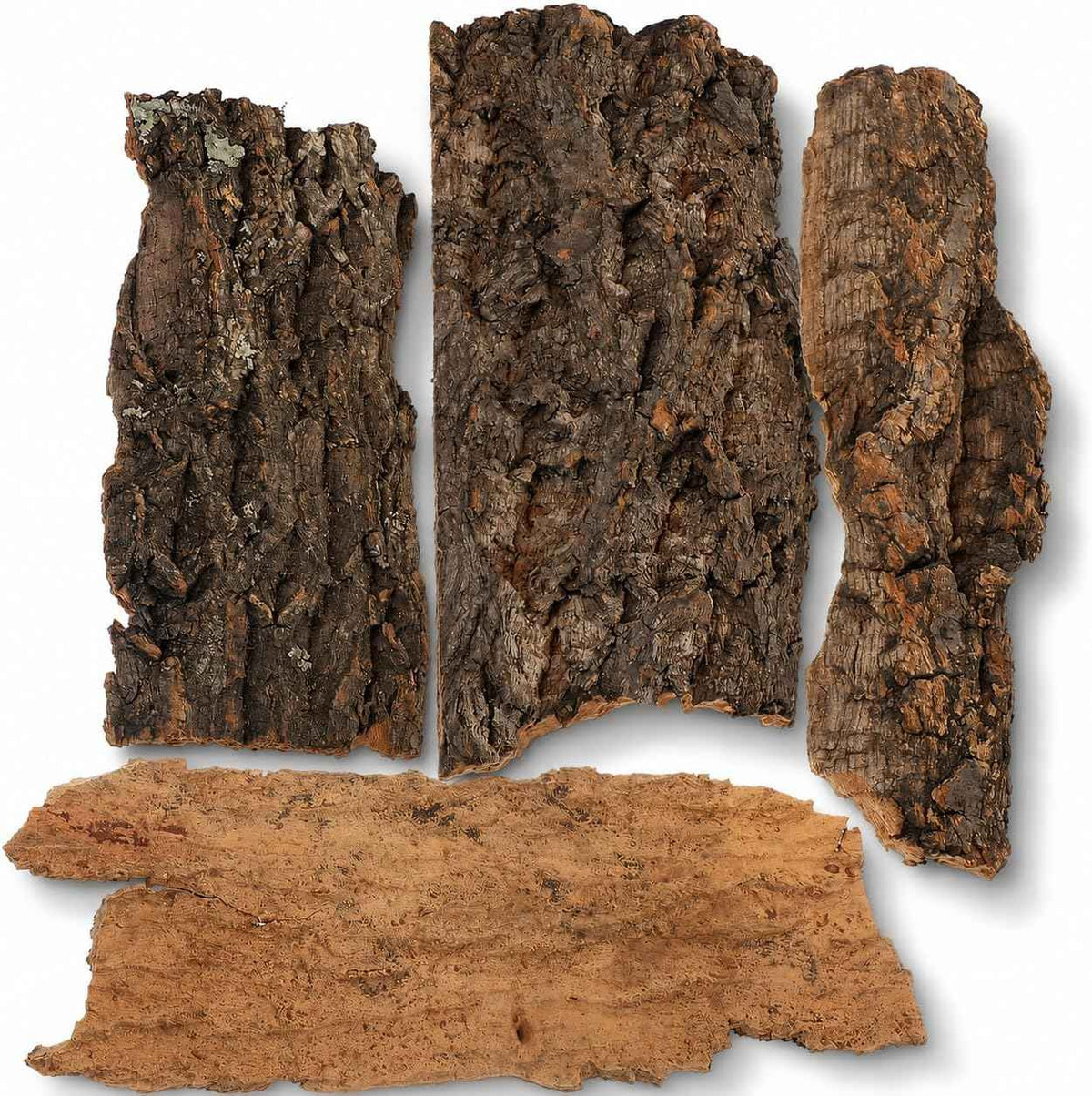
Flat bark can lean, bridge, or create visual screening when secured appropriately. The 4-Piece Natural Cork Bark Flat Set gives several pieces that may be arranged as partial cover or layered structure. Inspect every piece for sharp areas, contamination, instability, or gaps that could trap the animal, and prepare natural materials according to qualified husbandry guidance.
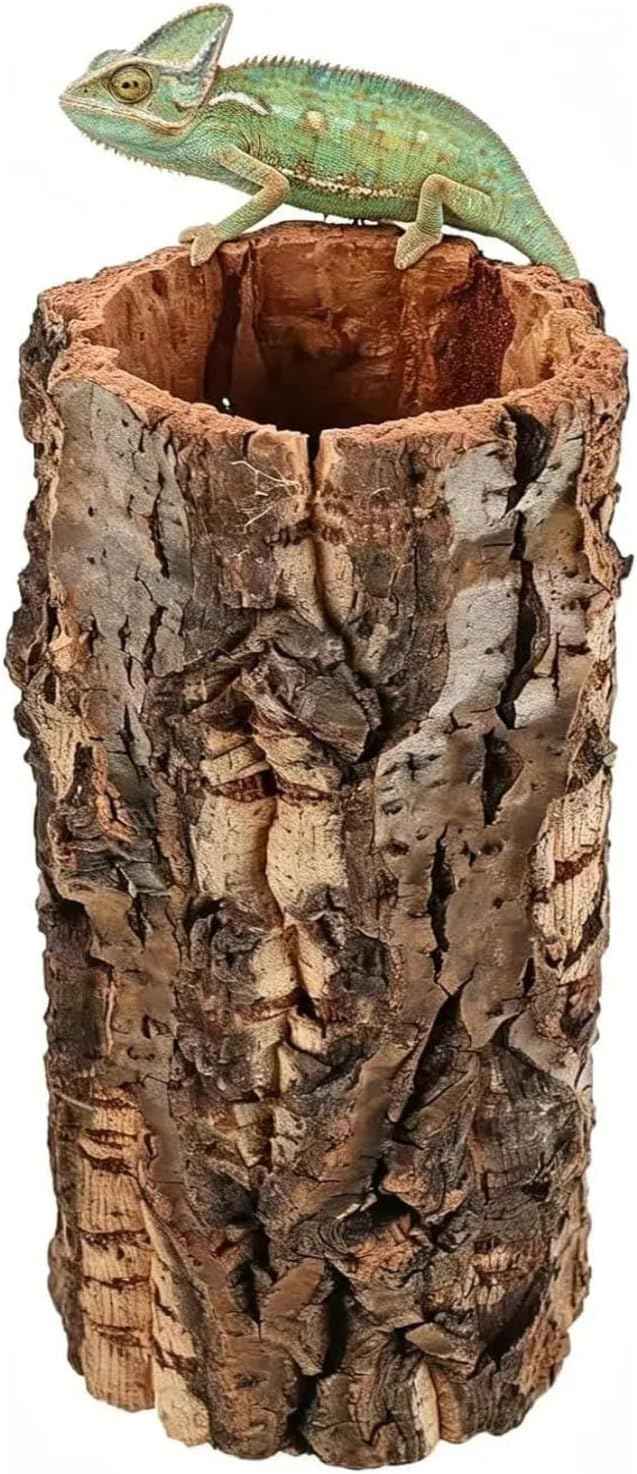
A tube can create a more enclosed passage or retreat, depending on the species and the actual internal dimensions. The 7.9-Inch Natural Cork Bark Hideout Tube should be evaluated by usable opening, interior space, stability, and growth allowance—not by outer length alone.
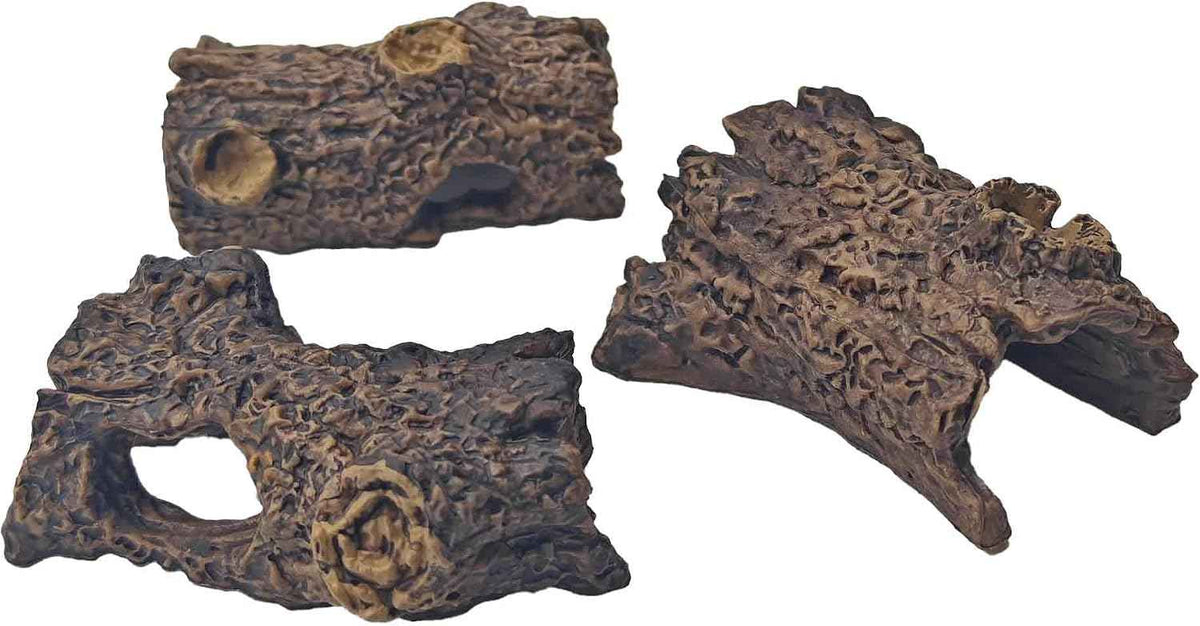
Smaller pieces can add short routes, low climbing interest, or visual breaks when their size is appropriate. The 3-Piece Mini Cork Bark Climbing Log Set is a compact format; secure it so pieces cannot roll, collapse, pinch, or interfere with doors, heating equipment, or routine care.
Build, observe, then adjust
After changing the enclosure, recheck temperature, humidity, ventilation, clearances, and stability. Observe the animal without forcing interaction. A layout that looks natural to a person still needs to function safely during feeding, resting, shedding, climbing, cleaning, and normal movement.
Change one major element at a time when practical. That makes it easier to see how the habitat is being used and to correct a problem without dismantling the entire environment.
Conclusion
A natural-looking terrarium is not simply a collection of natural materials. It is a sequence of usable choices: open and covered, high and low, warm and cool, visible and hidden.
When structure begins with the resident’s needs, the enclosure gains depth for the right reason.
CTA
Map the exposed crossings in the enclosure first, then explore GlobalHabitat Supply’s Reptile Hides & Terrarium Décor collection for shapes that fit the species-specific plan.